The Forgotten Victims of Police Brutality: A Call for Justice and Accountability
The quest for justice in Kenya cannot be reduced to courtrooms and legal jargon—it must extend to the ordinary citizen who has suffered in silence. Compensation, while critical, is meaningless without expedited access to justice for victims of police brutality during protests and riots.
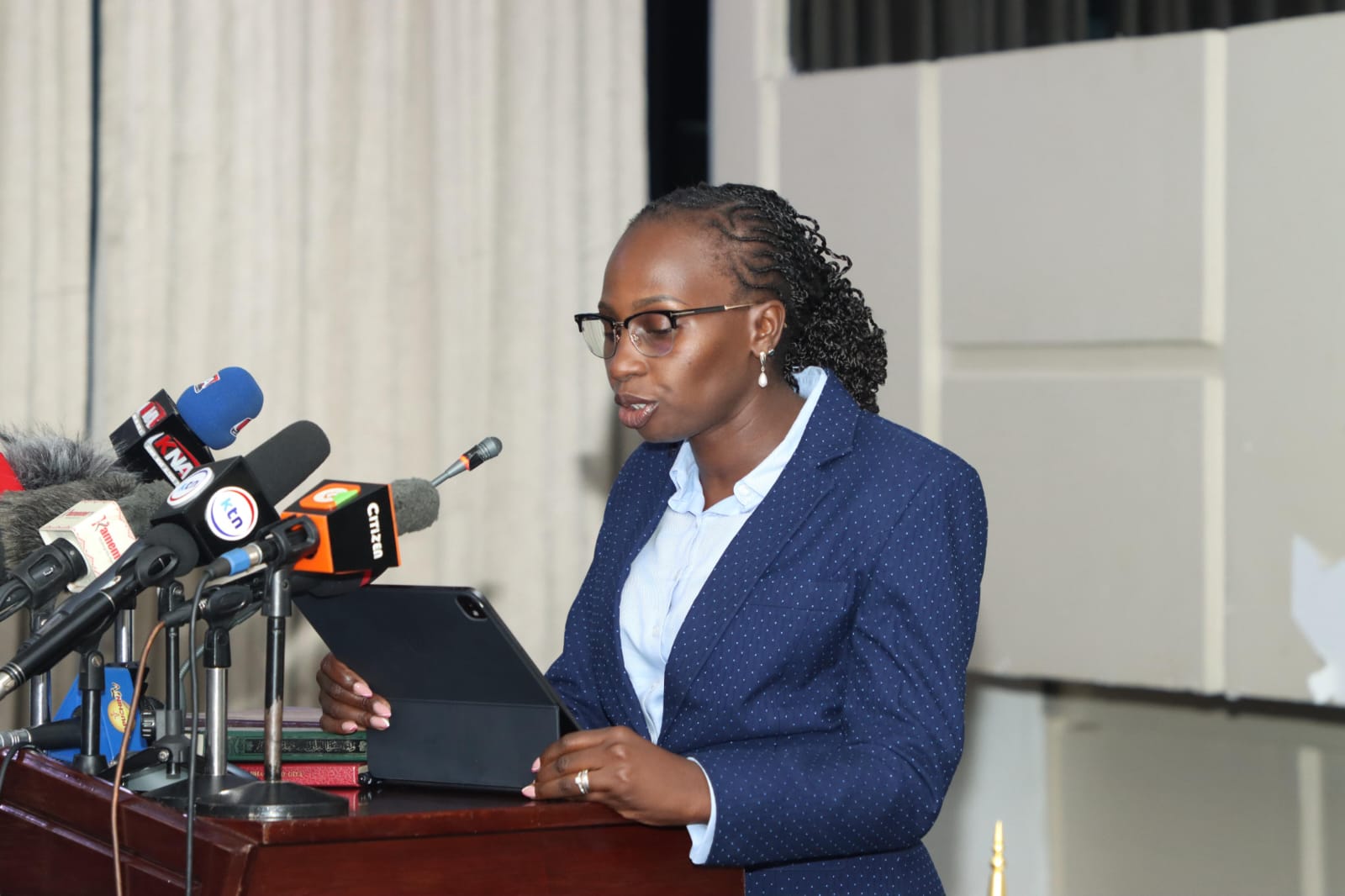
For over a year, one voice has consistently answered the desperate calls of Kenyans in distress: that of advocate Faith Odhiambo. Since June 18, 2024, her phone has rarely stopped ringing. Calls, messages, and WhatsApp alerts pour in from grieving families and wounded citizens—sometimes in the dead of night, at 3AM, or on Sundays, even as she sits in church. When she cannot be reached, Kenyans have turned to her colleagues and even to her old schoolmates. Such is the depth of the crisis: ordinary citizens clutching at the nearest thread of hope in a system that has repeatedly failed them.
The calls often come from common Kenyans, not high-profile elites. They speak of fear and disillusionment, questioning the very efficacy of the criminal justice system. Their concerns are grave: the state’s accountability for human rights violations, the persistent specter of state-sanctioned violence, and the role of government, civil society, and the public in ensuring justice.
Each encounter with victims—whether survivors or inconsolable family members of those who paid the ultimate price—reminds Odhiambo of how much remains undone in reforming the nation. Their stories probe at Kenya’s conscience: how can a country claim moral standing while harming its own people, then leaving them to fend for themselves, abandoned by a system that has never prioritized them?
The tragedy of forgotten victims—left to languish in untold pain while clutching onto illusionary hope—cannot remain Kenya’s story. Odhiambo insists she has not betrayed the trust placed in her. For her, access to criminal justice is not negotiable; it is central to protecting the rule of law and ensuring the enjoyment of fundamental human rights and freedoms.
Her message is resolute: “The bloodshed of our comrades must not be in vain. I will not take any prisoners.” She pledges to keep Kenyans informed of developments, refusing to negate the hard-won gains made together as a nation.
This is more than advocacy—it is a battle for the soul of Kenya. Whether the country chooses to honor its victims or continue down the path of neglect will define not only its justice system but its collective conscience.
For over a year, one voice has consistently answered the desperate calls of Kenyans in distress: that of advocate Faith Odhiambo. Since June 18, 2024, her phone has rarely stopped ringing. Calls, messages, and WhatsApp alerts pour in from grieving families and wounded citizens—sometimes in the dead of night, at 3AM, or on Sundays, even as she sits in church. When she cannot be reached, Kenyans have turned to her colleagues and even to her old schoolmates. Such is the depth of the crisis: ordinary citizens clutching at the nearest thread of hope in a system that has repeatedly failed them.
The calls often come from common Kenyans, not high-profile elites. They speak of fear and disillusionment, questioning the very efficacy of the criminal justice system. Their concerns are grave: the state’s accountability for human rights violations, the persistent specter of state-sanctioned violence, and the role of government, civil society, and the public in ensuring justice.
Each encounter with victims—whether survivors or inconsolable family members of those who paid the ultimate price—reminds Odhiambo of how much remains undone in reforming the nation. Their stories probe at Kenya’s conscience: how can a country claim moral standing while harming its own people, then leaving them to fend for themselves, abandoned by a system that has never prioritized them?
The tragedy of forgotten victims—left to languish in untold pain while clutching onto illusionary hope—cannot remain Kenya’s story. Odhiambo insists she has not betrayed the trust placed in her. For her, access to criminal justice is not negotiable; it is central to protecting the rule of law and ensuring the enjoyment of fundamental human rights and freedoms.
Her message is resolute: “The bloodshed of our comrades must not be in vain. I will not take any prisoners.” She pledges to keep Kenyans informed of developments, refusing to negate the hard-won gains made together as a nation.
This is more than advocacy—it is a battle for the soul of Kenya. Whether the country chooses to honor its victims or continue down the path of neglect will define not only its justice system but its collective conscience.
Media
media
/